
0%
Filled with laugh-out-loud hilarious text and cartoons, the Diary of a Wimpy Kid series follows Greg Heffley as he records the daily trials and triumphs of friendship, family life and middle school where undersized weaklings have to share the hallways with kids who are taller, meaner and already shaving! On top of all that, Greg must be careful to avoid the dreaded CHEESE TOUCH!
The first book in the series was published in 2007 and became instantly popular for its relatable humor. Today, more than 300 million copies have been sold around the world!
Beyond mainstream television and music, the digital media ecosystem is heavily shaped by the tastes and representations of young Korean women. Webtoons as Cultural Blueprints
While major K-Pop groups remain popular, 18-year-old Korean girls are increasingly consuming indie music and young solo artists who produce their own lyrics.
The Korea Media Rating Board (KMRB) enforces a strict rating system where 18+ (restricted for teenagers) and 19+ ratings are applied based on sexual content, violence, and social influence.
Perhaps the most revolutionary shift in "18 Korean girl entertainment content" is the move away from broadcast television to personal digital media. Today’s 18-year-old Korean female entertainer is likely an ex-idol trainee who quit the agency to become a streamer.
: High-intensity shows like All of Us Are Dead have set a precedent for 18+ rated content that blends social commentary with visceral thrills.
The 18-year-old Korean female entertainer is a powerful narrative device and a lucrative asset. She represents the last year of protected youth and the first year of professional accountability. Whether it’s an idol hitting the high note on a music show, an actress crying over a breakup line in a K-drama, or a TikToker dancing in her school uniform, she holds the camera’s focus because she is everyone’s memory of being on the edge of something great.
Channels like Ppen (뺀) or Kkukkukki feature 18-year-old actresses and singers participating in "High School Rumor" challenges or "Day in the Life" vlogs. These videos are intentionally shaky, using vertical filming and natural lighting to differentiate themselves from polished TV.
How young creators. Share public link
Short-form web dramas (often hosted on YouTube platforms like Playlist Studio) explicitly target Gen Z. These bite-sized series focus intensely on the micro-dramas of being 18: high school gossip, part-time job struggles, and the transition to university. They serve as a testing ground for rising female talent and set immediate trends in fashion, makeup, and slang. The Global Influence: Fashion, Beauty, and Lifestyle
The intersection of youth culture, digital media, and the South Korean entertainment industry has created a dynamic global phenomenon. Content focusing on, or created by, young women in their late teens and early twenties—often categorized under the demographic umbrella of the "18-year-old Korean girl" archetype—serves as a primary engine for Hallyu (the Korean Wave). From the meteoric rise of fourth- and fifth-generation K-pop girl groups to the global dominance of webtoons, the media landscape reflecting this demographic has evolved dramatically. Modern content has shifted from traditional, idealized tropes toward nuanced narratives of agency, digital entrepreneurship, and global influence. 1. The Changing Archetype in K-Pop and Television
Increased co-productions between Western entertainment conglomerates and Korean agencies to create hybrid global pop groups.
: 4K dance performance videos remain a staple for fan engagement on platforms like YouTube. Television & Streaming (K-Dramas)
is noted for its exploration of lesbian themes and suspense, while The Treacherous
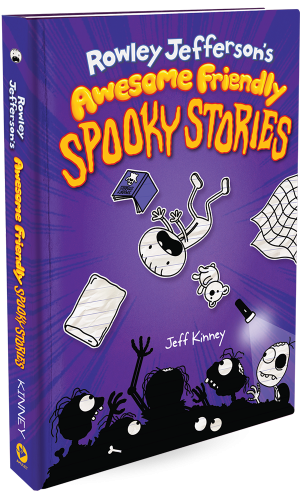
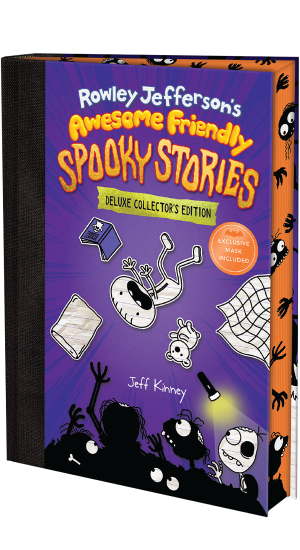
Get ready to see the Wimpy Kid world in a whole new way! Written and illustrated from the hilarious imagination of Greg Heffley’s best friend, Rowley Jefferson, the Awesome Friendly Kid series is filled with new adventures and vibrant stories that will have readers in stitches!
Click or scroll
through the books
18 korean hot sexy girl with boyfriend xxx 23 repack
Beyond mainstream television and music, the digital media ecosystem is heavily shaped by the tastes and representations of young Korean women. Webtoons as Cultural Blueprints
While major K-Pop groups remain popular, 18-year-old Korean girls are increasingly consuming indie music and young solo artists who produce their own lyrics.
The Korea Media Rating Board (KMRB) enforces a strict rating system where 18+ (restricted for teenagers) and 19+ ratings are applied based on sexual content, violence, and social influence.
Perhaps the most revolutionary shift in "18 Korean girl entertainment content" is the move away from broadcast television to personal digital media. Today’s 18-year-old Korean female entertainer is likely an ex-idol trainee who quit the agency to become a streamer.
: High-intensity shows like All of Us Are Dead have set a precedent for 18+ rated content that blends social commentary with visceral thrills.
The 18-year-old Korean female entertainer is a powerful narrative device and a lucrative asset. She represents the last year of protected youth and the first year of professional accountability. Whether it’s an idol hitting the high note on a music show, an actress crying over a breakup line in a K-drama, or a TikToker dancing in her school uniform, she holds the camera’s focus because she is everyone’s memory of being on the edge of something great.
Channels like Ppen (뺀) or Kkukkukki feature 18-year-old actresses and singers participating in "High School Rumor" challenges or "Day in the Life" vlogs. These videos are intentionally shaky, using vertical filming and natural lighting to differentiate themselves from polished TV.
How young creators. Share public link
Short-form web dramas (often hosted on YouTube platforms like Playlist Studio) explicitly target Gen Z. These bite-sized series focus intensely on the micro-dramas of being 18: high school gossip, part-time job struggles, and the transition to university. They serve as a testing ground for rising female talent and set immediate trends in fashion, makeup, and slang. The Global Influence: Fashion, Beauty, and Lifestyle
The intersection of youth culture, digital media, and the South Korean entertainment industry has created a dynamic global phenomenon. Content focusing on, or created by, young women in their late teens and early twenties—often categorized under the demographic umbrella of the "18-year-old Korean girl" archetype—serves as a primary engine for Hallyu (the Korean Wave). From the meteoric rise of fourth- and fifth-generation K-pop girl groups to the global dominance of webtoons, the media landscape reflecting this demographic has evolved dramatically. Modern content has shifted from traditional, idealized tropes toward nuanced narratives of agency, digital entrepreneurship, and global influence. 1. The Changing Archetype in K-Pop and Television
Increased co-productions between Western entertainment conglomerates and Korean agencies to create hybrid global pop groups.
: 4K dance performance videos remain a staple for fan engagement on platforms like YouTube. Television & Streaming (K-Dramas)
is noted for its exploration of lesbian themes and suspense, while The Treacherous