It remains a symbol of "conscious" rap that didn't feel preachy. It dealt with industry politics ("Show Business"), social issues, and daily life in Queens, all while maintaining a groove that worked in the club and the headphones alike. Finding the Sound
The album opener sets the manifesto. Over a driving, hypnotic bassline sampled from The Last Poets, Q-Tip famously explains the link between generations: "You wanna know do I love hip-hop? I love it hippity-hop... My pops used to say it reminded him of bebop."
If The Low End Theory represented the peak of physical music consumption (CDs and tapes), the decade that followed would tear that physicality apart. The story of the album’s "rar" suffix begins with the compression of music itself.
The primary genius of The Low End Theory lies in its revolutionary engineering. Before this album, hip-hop production heavily relied on loud, abrasive funk samples, James Brown drum breaks, and piercing rock riffs. Q-Tip, who handled the bulk of the production alongside skeletal frameworks from Ali Shaheed Muhammad, envisioned something entirely different. 1. The Art of the Bassline
When audiophiles search for a file of this album, they aren’t just looking for any digital copy. They want a preserved copy—one that hasn’t been brick-walled by loudness war remasters.
Recorded primarily at Battery Studios in New York City, the production was a departure from the colorful, chaotic sampling of their debut, People's Instinctive Travels and the Paths of Rhythm . The sound was stripped to its essentials:
While the album is best enjoyed as a continuous listening experience, several tracks define its cultural weight:
Included in the RAR:
The Low End Theory is often cited as the greatest hip-hop album of all time for its technical precision. Before this record, jazz samples were used sparingly or as loops. Q-Tip and Phife Dawg, along with DJ Ali Shaheed Muhammad, treated jazz like a living organism. They brought in legendary bassist Ron Carter to play live on the track Verses from the Abstract, ensuring the "low end" wasn't just a frequency, but a physical presence. This dedication to sound quality is why audiophiles still hunt for high-bitrate versions of the album today.
: The group went beyond simple loops, creating intricate compositions. They even brought in legendary jazz bassist Ron Carter to play live on "Verses from the Abstract". Engineering
Fine Homebuilding Magazine


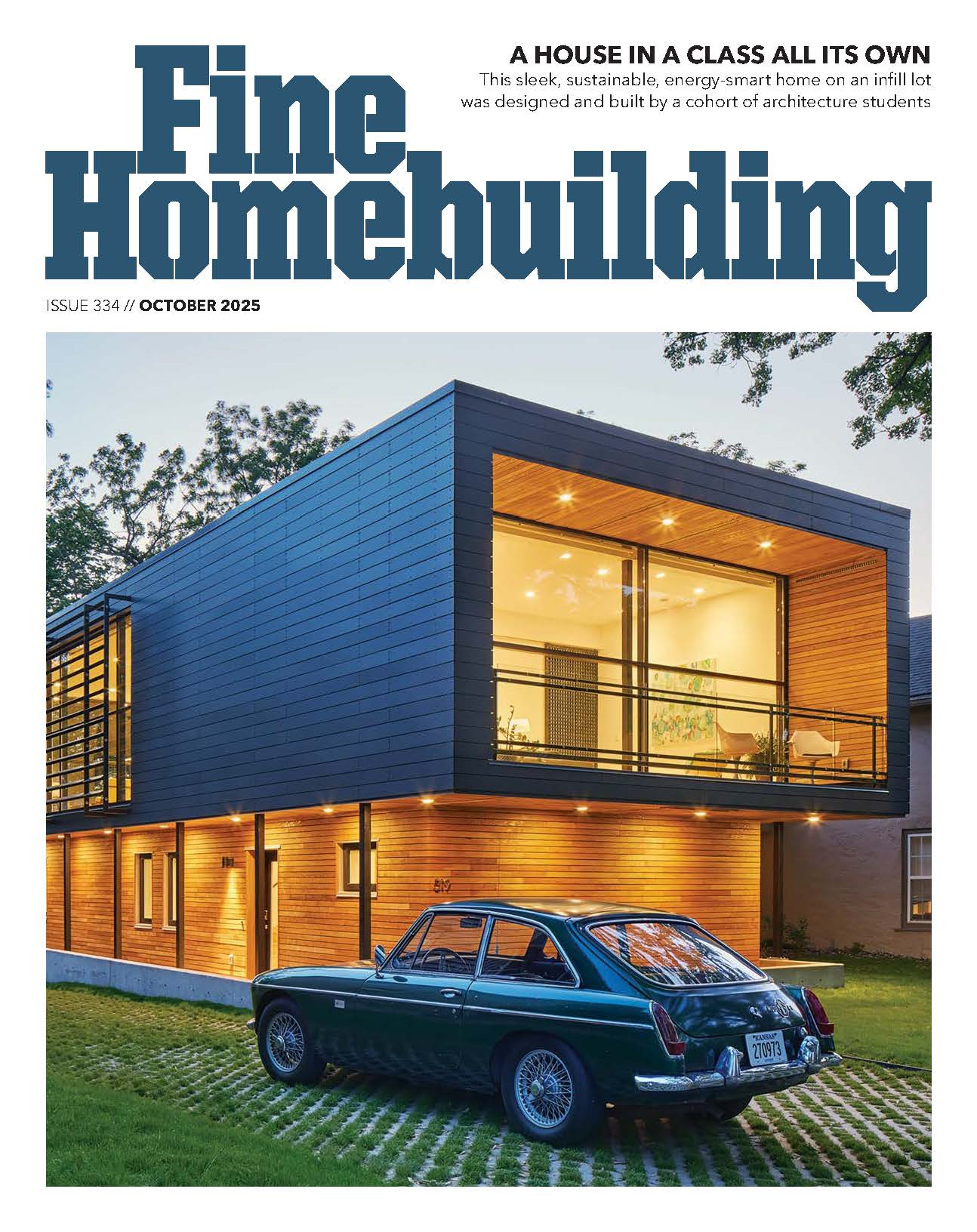


Fine Home Building
Follow



-
Fine Homebuilding
Dig into cutting-edge approaches and decades of proven solutions with total access to our experts and tradespeople.
Start Free Trial Now -
GBA Prime
Get instant access to the latest developments in green building, research, and reports from the field.
Start Free Trial Now