














We now watch creators stage elaborate "Day in the Life" routines, offering tips on "rage applying," "quiet quitting," and salary negotiation.
: Viral concepts like the "lazy girl job" (minimal-effort roles) perpetuated by influencers can shift broader narratives about work-life balance and job satisfaction. Behind the Scenes: Media Industry Stories
This content thrives because it offers validation. Watching someone mimic a terrible manager provides instant community and relief for stressed workers worldwide. 3. Why We Consume Content About the Things We Hate
Who is the ? (Creative freelancers, corporate employees, or students?)
We have a culture addicted to "moments." We want the viral tweet, the big recognition, or the dramatic exit. The entertainment industry has trained us to crave narrative arcs that don't really exist in a standard 9-to-5, leading to chronic restlessness.
As workplace models continue to evolve, the entertainment industry will undoubtedly find new narratives to explore. We are already seeing a rise in stories focusing on artificial intelligence anxieties, gig economy struggles, and the ethical dilemmas of data privacy. Ultimately, work entertainment content will remain a vital tool for workers to laugh at their shared absurdities, critique systemic flaws, and reimagine the future of labor. If you are looking to expand this topic further, tell me:
: Quickly switches to audio to save bandwidth or focus.
The most effective entertainment content is often indistinguishable from marketing, where influencers and content creators integrate professional branding into their personal content. 4. Digital Media and the Future of Engagement
A Slack announcement about Q3 goals lands with a thud. But the same message inside a Succession -style “Tom & Greg” meme? Shared, liked, and remembered. Work entertainment now rides the same rapid-meme cycle as TikTok and X, because attention spans don’t clock out.
Post- Severance , discussions about work-life balance have shifted. People now explicitly talk about "innie" and "outie" problems. The show has given a name to the dissociation that was previously just a vague sense of burnout. Therapists report clients using the show's terminology to explain their inability to remember weekend conversations because their brain is still "at the office."
: Lo-fi beats, ambient office noise, or nature sounds.
Work entertainment content and popular media are no longer distinct from the professional world—they are the language of the modern workforce. By understanding and constructively embracing these cultural trends, organizations can build more connected, resilient, and empathetic workplace environments. To help tailor this content further, please let me know:
You may also like...


Enter to Win Our Monthly Giveaway!
New winner every month! Drop your name below for a chance to win hundreds of dollars of vegan prizes from our brand partners. You’ll also receive our weekly e-newsletter with plant-based recipes galore!
Leave a Comment
Girlcum240601ashlynangelorgasmchairxxx Work -
We now watch creators stage elaborate "Day in the Life" routines, offering tips on "rage applying," "quiet quitting," and salary negotiation.
: Viral concepts like the "lazy girl job" (minimal-effort roles) perpetuated by influencers can shift broader narratives about work-life balance and job satisfaction. Behind the Scenes: Media Industry Stories
This content thrives because it offers validation. Watching someone mimic a terrible manager provides instant community and relief for stressed workers worldwide. 3. Why We Consume Content About the Things We Hate
Who is the ? (Creative freelancers, corporate employees, or students?) girlcum240601ashlynangelorgasmchairxxx work
We have a culture addicted to "moments." We want the viral tweet, the big recognition, or the dramatic exit. The entertainment industry has trained us to crave narrative arcs that don't really exist in a standard 9-to-5, leading to chronic restlessness.
As workplace models continue to evolve, the entertainment industry will undoubtedly find new narratives to explore. We are already seeing a rise in stories focusing on artificial intelligence anxieties, gig economy struggles, and the ethical dilemmas of data privacy. Ultimately, work entertainment content will remain a vital tool for workers to laugh at their shared absurdities, critique systemic flaws, and reimagine the future of labor. If you are looking to expand this topic further, tell me:
: Quickly switches to audio to save bandwidth or focus. We now watch creators stage elaborate "Day in
The most effective entertainment content is often indistinguishable from marketing, where influencers and content creators integrate professional branding into their personal content. 4. Digital Media and the Future of Engagement
A Slack announcement about Q3 goals lands with a thud. But the same message inside a Succession -style “Tom & Greg” meme? Shared, liked, and remembered. Work entertainment now rides the same rapid-meme cycle as TikTok and X, because attention spans don’t clock out.
Post- Severance , discussions about work-life balance have shifted. People now explicitly talk about "innie" and "outie" problems. The show has given a name to the dissociation that was previously just a vague sense of burnout. Therapists report clients using the show's terminology to explain their inability to remember weekend conversations because their brain is still "at the office." Watching someone mimic a terrible manager provides instant
: Lo-fi beats, ambient office noise, or nature sounds.
Work entertainment content and popular media are no longer distinct from the professional world—they are the language of the modern workforce. By understanding and constructively embracing these cultural trends, organizations can build more connected, resilient, and empathetic workplace environments. To help tailor this content further, please let me know:
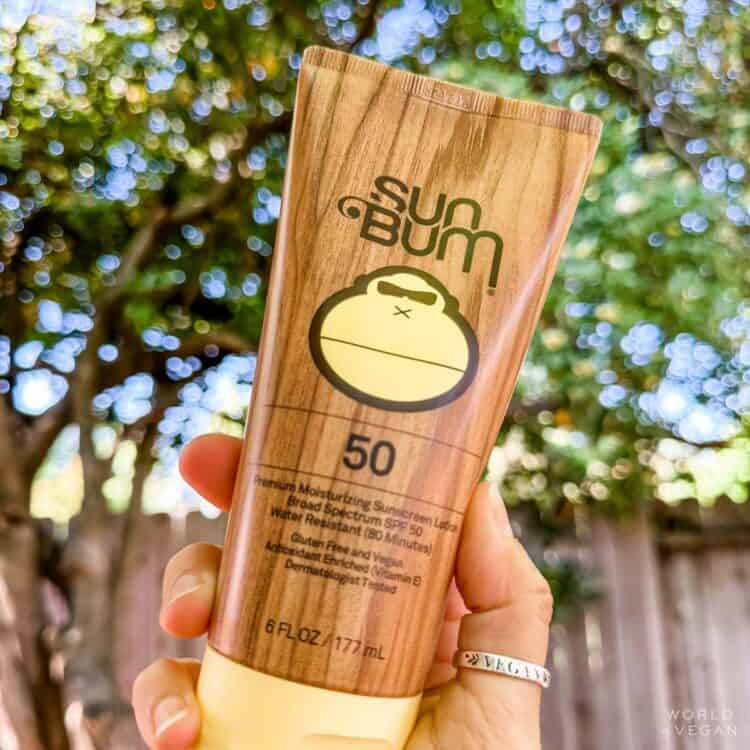
Thank you so much for bringing this to our attention. I’m not sure if Alba Botanika had a change in formula, but I did notice that two of their body lotions now have beeswax in them—Very Emollient Hemp and Coconut Rescue. According to their website, the rest are free of beeswax. We really appreciate your comment! 😀