Deep Ocean Exploration Technology
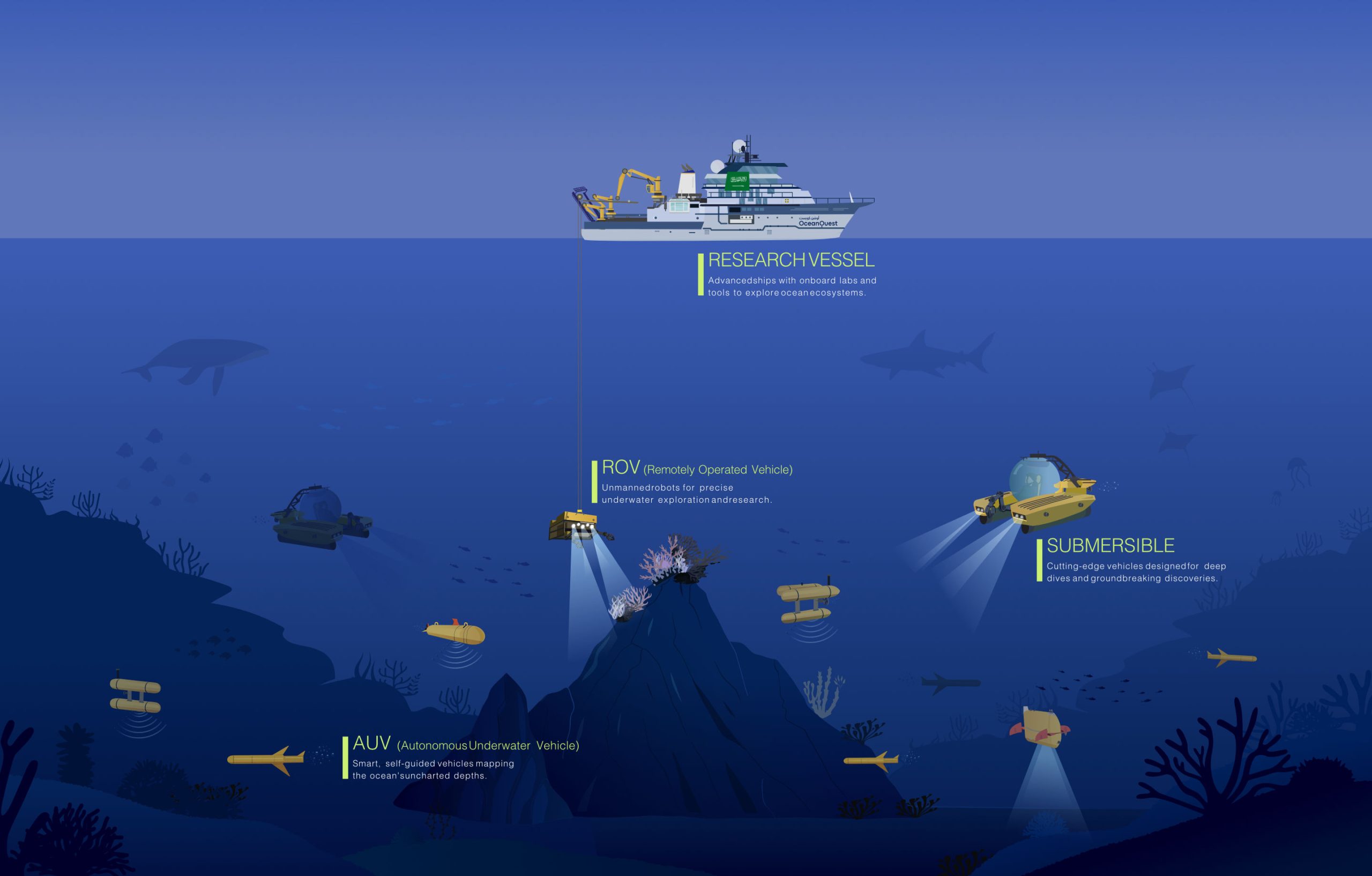
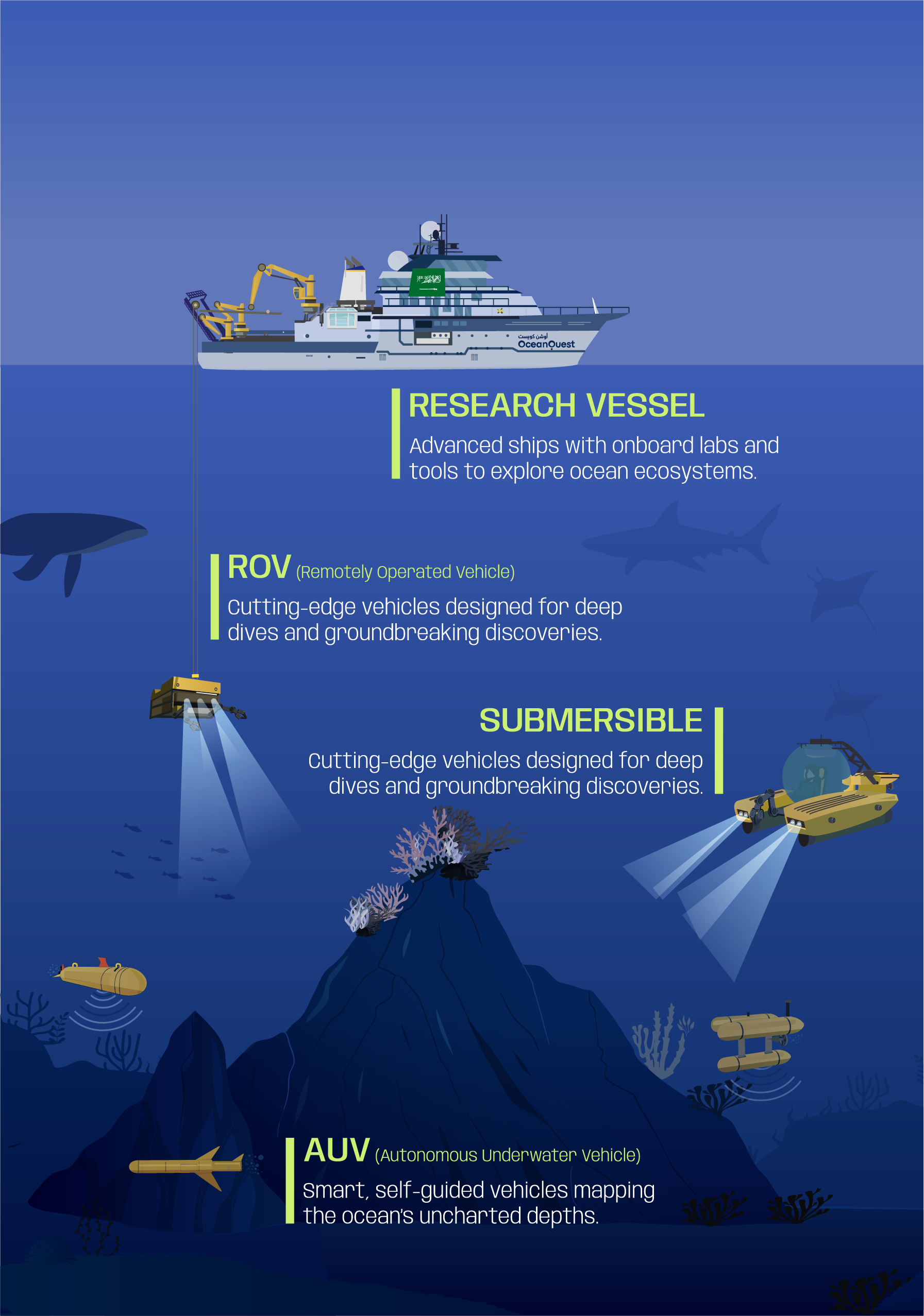
Cutting-edge technology helps overcome the deep ocean’s extreme conditions and uncover its secrets. Engineering and robotics are making groundbreaking discoveries possible:
In the late 1980s, the field of physics education was on the cusp of a revolution. The introduction of personal computers and graphical user interfaces had created a new opportunity for interactive learning tools to transform the way students understood complex physical concepts. One pioneering software package that played a significant role in this revolution was Interactive Physics, first released in 1989.
: Users could wire objects together using virtual ropes, springs, dampers, pulleys, slots, and hinges.
The original Macintosh Plus was not a powerful machine by modern standards. To make smooth simulations possible, Knowledge Revolution implemented a clever technical feature:
Interactive Physics proved that computers could be more than just digital textbooks; they could be active, responsive laboratories. By gamifying physics and making abstract concepts visually intuitive, it paved the way for generations of scientists, engineers, and digital creators.
: The Apple Macintosh offered a crisp graphical user interface (GUI) and a mouse.
The software featured a robust toolbox of constraint and force components, including: with adjustable constants and resting lengths. Ropes and Pulleys for complex tension experiments. Damper systems to simulate shocks and energy dissipation.
The software went on to win numerous educational technology awards in the early 1990s and became a staple in physics curricula worldwide. Knowledge Revolution eventually updated the software to support Windows and 3D environments before being acquired by MSC Software in 1999, but the original 1989 Macintosh release remains the definitive milestone.
Today, the legacy of Interactive Physics lives on. Whether you are exploring complex creations on Roblox (0.5.2) or using modern mechanical simulators from companies like Design Simulation Technologies (0.5.14), you are interacting with a lineage of code that started in a simple 2D lab over 30 years ago. Playing Roblox from 1989 (Interactive Physics)
Version 1.0 shipped in — exclusively for the Mac (black-and-white display, 512×342 resolution, 1 MB RAM minimum). The entire program fit on two 800 KB floppy disks.

Known as “Her Deepness,” she has led over 100 expeditions and is a global advocate for ocean conservation.
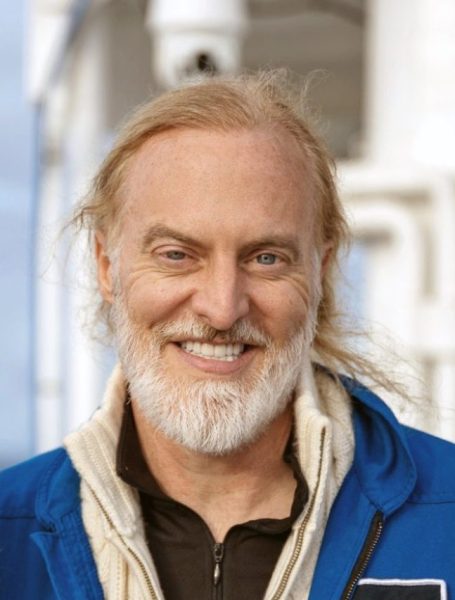
An adventurer and businessman who has dived to the deepest points in all five oceans.

A globally renowned oceanographer based in Saudi Arabia, Dr. Duarte leads groundbreaking research on ocean sustainability and marine ecosystems. His work is critical for understanding the impact of climate change on marine life

A microbiologist focused on coral reef conservation, Dr. Peixoto explores how microbial communities can help protect marine ecosystems under threat from climate change.