

 80mm Receipt Printer
 ACE H2
 RP331
RP331 RP350
RP350 RP337
RP337 RP582
RP582 RP58A
RP58A RP58E
RP58E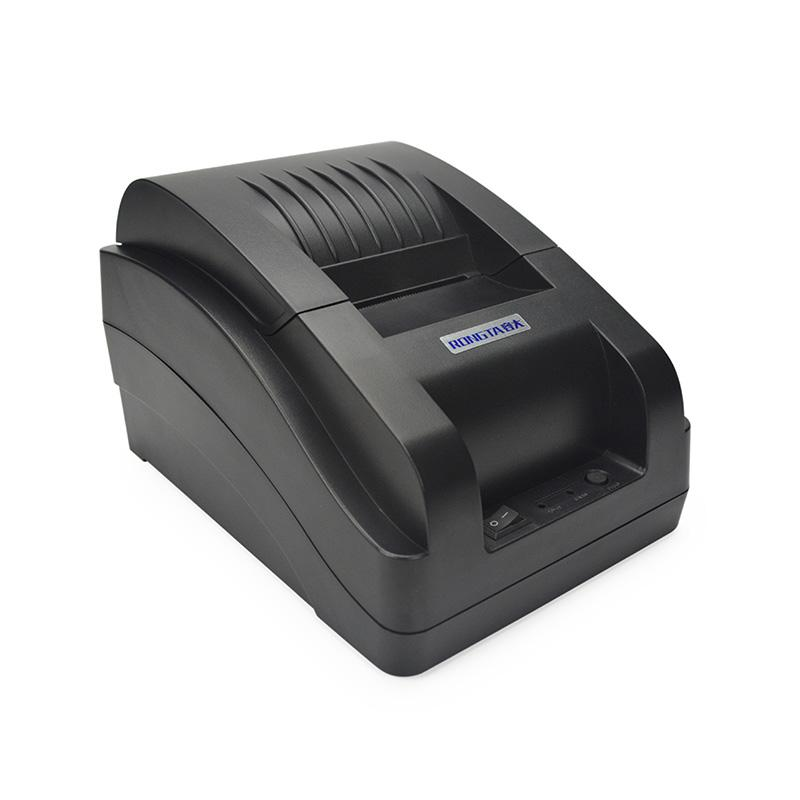 RP58B
RP58B RP310D
 RP216
RP216 ACE V1S
 RP211
RP211 RP425
RP425 RP422
RP422 RP421A-Airprint
 RP421
RP421 RI460/RI463/RI460r
 RP400H
 RP400A
 RPF412
 RPP02C
 RPP02N
 RPP200
 RPP02D
 RPP04
RPP04 RPP30
RPP30 RPP320
 ACE M1
 TD210
TD210 TH110
TH110 TM95
TM95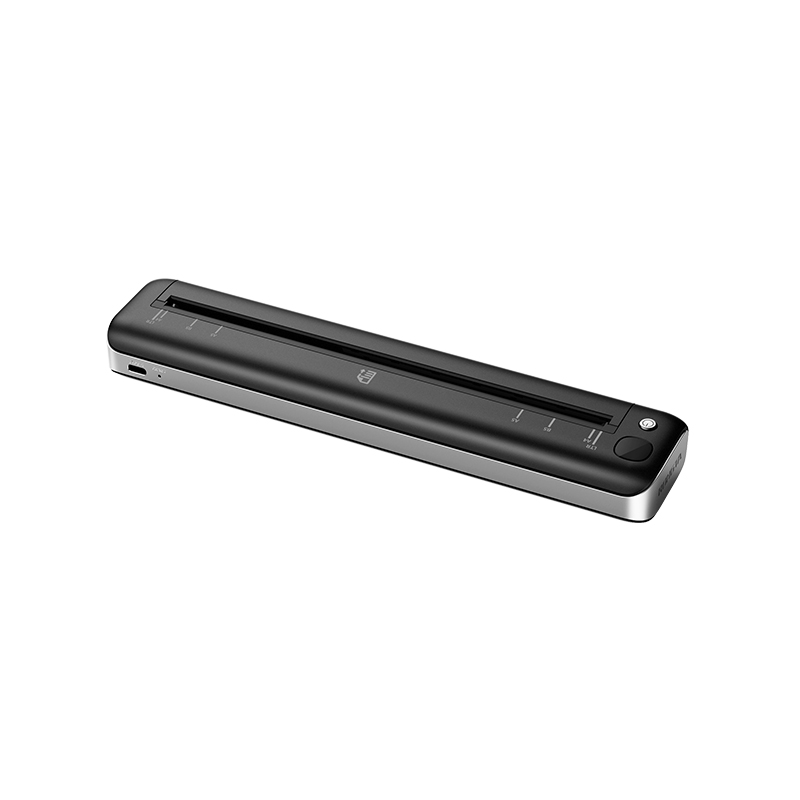 F81A
F81A F81S
F81S F82A
F82A Z1
Z1 R22
R22 R5
R5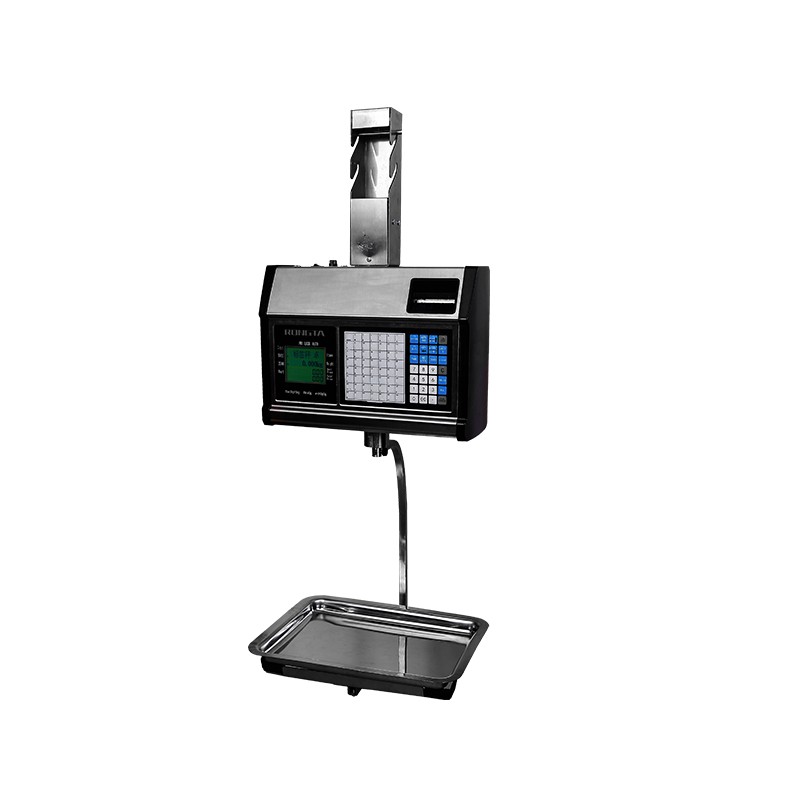 RLS1315/RLS1330
 RLS1515/RLS1530
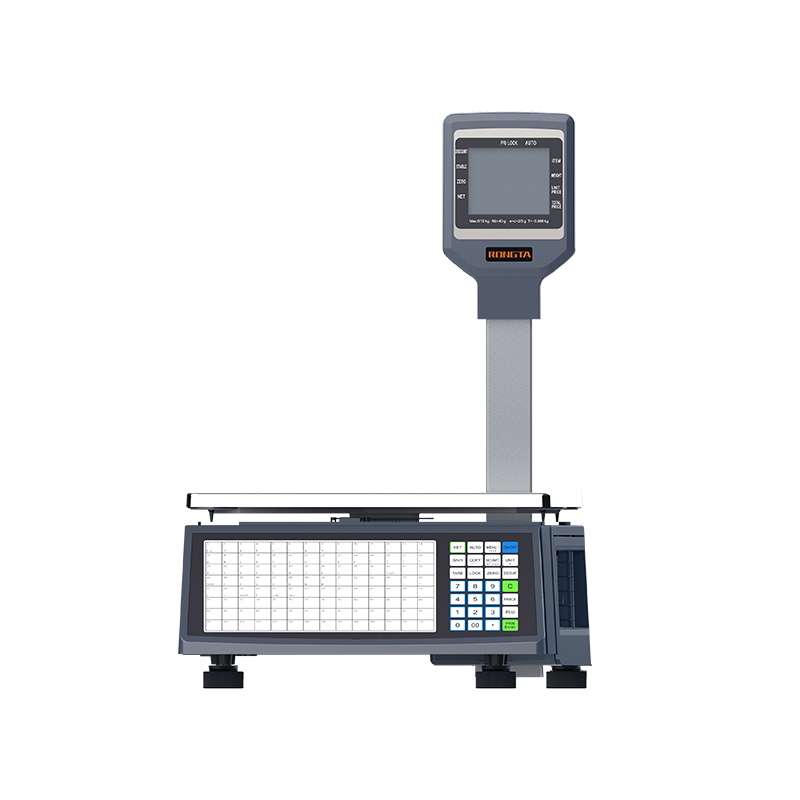 RLS1000/RLS1100A
 RLS1000/RLS1100B
 C2-AI
C2-AI AURORA D2-AI
 AURORA S2L-AI
 AURORA Y2L-AI
 C1
C1 C11
C11 C3
C3 CB628
CB628 RT58
RT58 RT105
RT105 RT205MP
 RT532
RT532 PM315
PM315 RP203
RP203 RP07
RP07 PM201
PM201 PM628
PM628 PM532A
 PM532B
 Retail
 Catering
 Medical
 Mobile Office/home
 Asset Management
 Logistics
 Driver Download
 User Manual
 Tool Download
 Label Design Software
 BarTender Video
 Product Video
 SDK
SDK FAQ
FAQ Company News
 Exhibitions
 Industry News
 Product News
 Rongta Introduction
 Rongta Milestones
 Awards and Qualifications
 R&D Strength
 Rongta Team Activities
 Responsibility
Milfty 23 09 24 Jennifer White Empty Nest Part [verified] Free Jun 2026
, where older women are significantly underrepresented and often relegated to stereotypical roles. While recent years have seen a slight increase in visibility, major disparities in how they are portrayed compared to men remain. ResearchGate Core Findings on Representation The "Invisible" Majority : A comprehensive study by the Geena Davis Institute found that women aged 50+ make up only of all characters in their age group in top-grossing films. Stereotypical Portrayals
The entertainment industry is ultimately a business driven by financial return. The shift toward elevating mature talent aligns directly with shifting global economics. Women over the age of 50 represent a massive, affluent demographic with substantial disposable income and immense purchasing power.
: Opportunities for mature women of color, LGBTQ+ individuals, and women with disabilities remain disproportionately lower than those for their white peers.
Should we integrate of notable actresses, directors, or recent films? milfty 23 09 24 jennifer white empty nest part free
: Common portrayals of women over 65 often center on "romantic rejuvenation" (regaining youth through romance) or being a "passive problem" (depicted as having a degenerative disability).
Perhaps the most significant catalyst is ownership. High-profile actresses are no longer waiting for the phone to ring; they are forming their own production companies. By acquiring literary rights and financing projects, mature women are actively creating the complex roles that the traditional studio system historically failed to provide. Changing Narratives and Evolving Tropes
Audiences are increasingly drawn to morally gray, deeply flawed mature female characters. Cate Blanchett’s tour-de-force performance in Tár or Jean Smart’s sharp-tongued comedian in Hacks showcase women navigating power, ego, and professional isolation, moving far beyond the "nurturing mother" trope. The Economic Impact and Cultural Legacy , where older women are significantly underrepresented and
Women of color, LGBTQ+ women, and disabled women face a double standard of ageism compounded by marginalization.
The industry standard historically relegated older women to flat, archetypal caricatures:
This isn't a random string of letters and numbers; it's a targeted set of criteria for a search: : Opportunities for mature women of color, LGBTQ+
The inclusion of suggests a user's intent to access the content without a subscription to the network's premium service. While official sources like MYLF.com operate on a subscription or pay-per-scene model, this keyword is often used to search for promotional clips, trailers, or aggregated previews available on various online platforms. In many countries, the legality of accessing "free" copyrighted content depends on whether the site hosting it has the legal rights to distribute that material.
That paradigm is crumbling. The success of films like The Lost City (starring Sandra Bullock and Channing Tatum) and the critical acclaim for television series like The Morning Show (Jennifer Aniston) and Hacks (Jean Smart) proves that audiences are hungry for stories about women over 40, 50, and 60. These projects have demonstrated that a woman’s value does not evaporate with her youth; rather, her perspective deepens, offering a richness to storytelling that twenty-somethings simply cannot yet embody.
: Only about 1 in 4 film characters aged 50 and over are women, representing a significant gender gap. Organizations like the Geena Davis Institute have found that these characters are often relegated to secondary roles.