This is the core thesis of the episode: Pissawat refuses to surrender his selfhood for the sake of romance. Prom, for his part, seems more intrigued by that refusal than offended by it.

For anyone looking for a drama with a strong, entertaining start and a classic love-hate relationship,

At its heart, the story follows two characters from completely different worlds: Plapol, a man carrying deep emotional scars, and Pantawan, a fiercely independent singer fighting for survival. While the full 16-episode series provokes strong reactions, there is wide agreement that the beginning is where it truly shines.

In the vast landscape of Thai dramas (Lakorns), few opening episodes manage to capture the audience's heart as swiftly and effectively as Prom Pissawat (Destiny). Airing in 2020, this supernatural romance starring the beloved duo Pope Thanawat and Mew Nittha set a high bar for storytelling. While the entire series is a rollercoaster of emotion, fate, and karma, stands out as a masterclass in exposition, chemistry, and world-building.

If you have not yet watched , you are missing out on a masterclass in character introduction. It is the "best" because it balances high-energy comedy with raw, silent pathos. Prom is not just the funny friend; he is the heart of the show. He reminds us that the loudest people are often the most fragile, and that every side character deserves a close-up.

The chemistry between the leads is palpable, even in their most confrontational scenes. The actors delivered raw, emotional performances in the premiere, particularly in the dramatic confrontation scenes. Their ability to switch from intense anger to subtle vulnerability within the same scene is why the feel so real. 5. Captivating Musical Score

While Episode 1 is designed to be as engaging as possible, viewers on platforms like MyDramaList have noted that the episode leans heavily into classic, polarizing melodrama tropes. Strengths of Episode 1 Common Critiques

Review detailed episodic guides and cast trivia on the Prom Pissawat TMDB Page .

Music serves as the emotional bridge of the show. Pantawan's introduction scene at the bar acts as a major highlight. Pimprapa Tangprabhaporn showcases her genuine musical talents, giving the series a distinct sensory advantage over standard melodramas. The soundtrack doesn't just play in the background; it acts as a storytelling vehicle. Setting Up the Looming Tragic Twist

The title Prom Pissawat translates to "Destiny" or "Fate," and Episode 1 does heavy lifting to define what that means. The episode creates a palpable sense of "Red String of Fate."
A world of geom

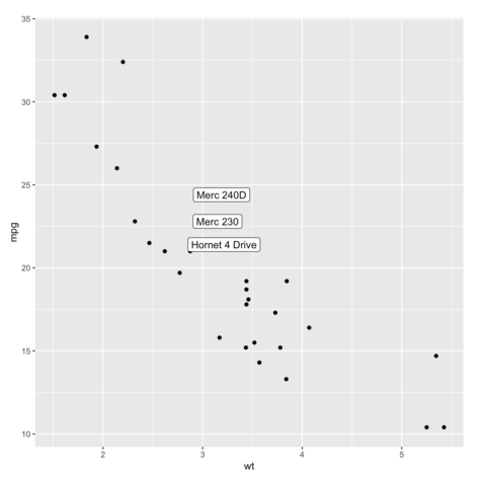
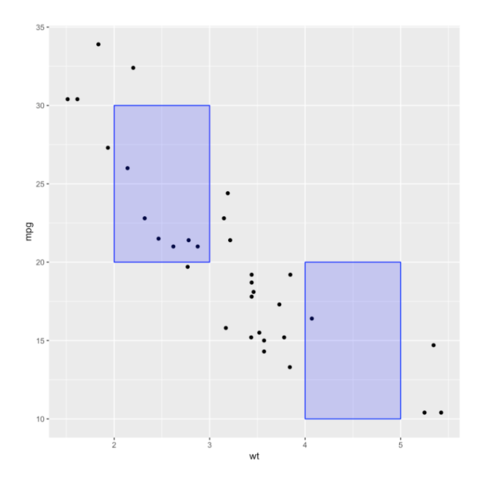
ggplot2 builds charts through layers using geom_ functions. Here is a list of the different available geoms. Click one to see an example using it.

geom_bar geom_bin geom_boxplot geom_density geom_error geom_hex geom_hist geom_hline geom_jitter geom_label geom_line geom_point geom_polygon geom_rect geom_ribbon geom_rug geom_segment geom_smooth geom_text geom_tile geom_violin geom_vline
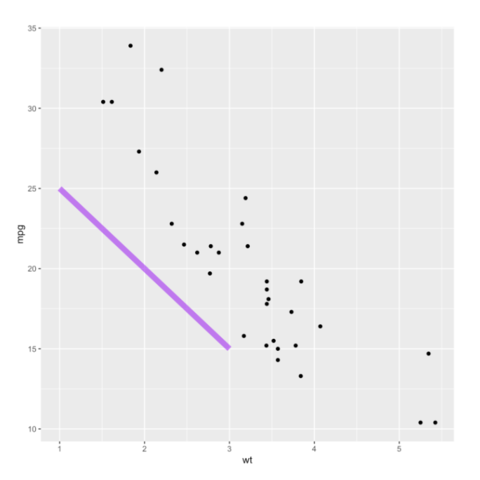
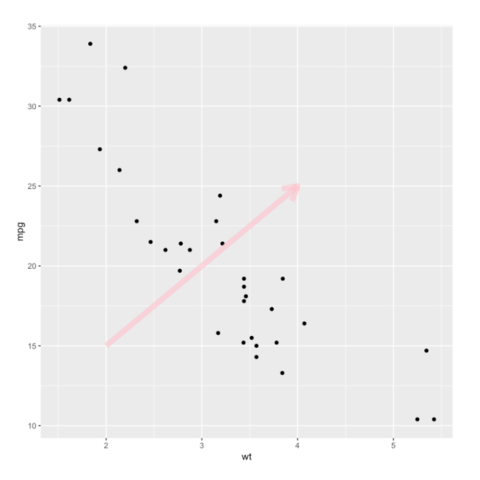
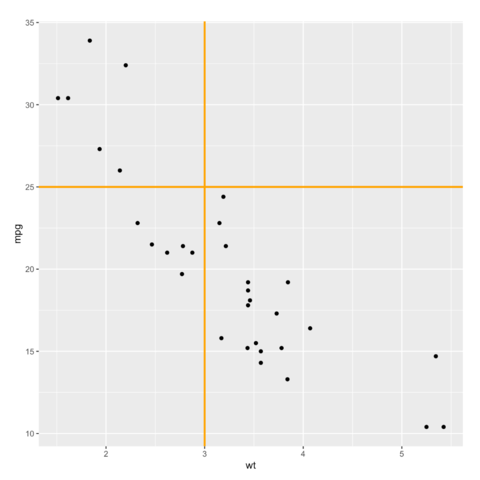
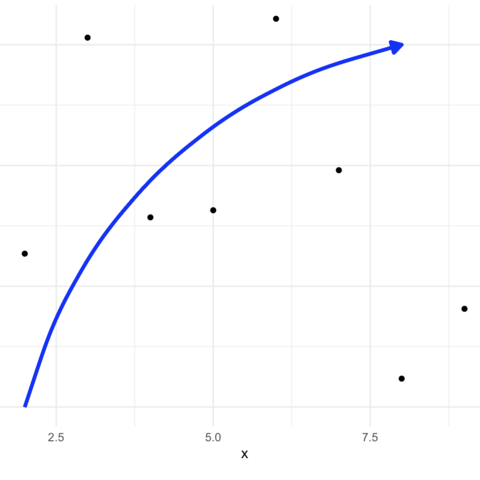
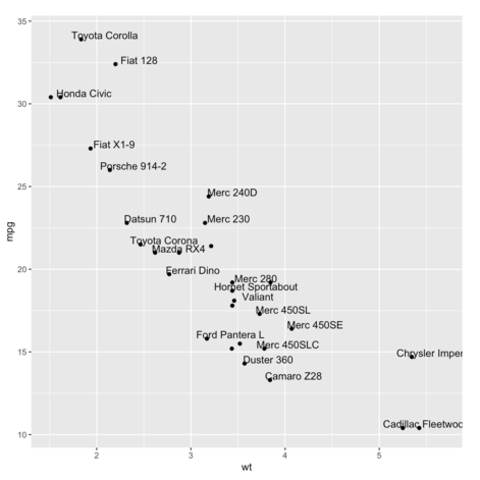
Annotation with ggplot2

Annotation is a key step in data visualization. It allows to highlight the main message of the chart, turning a messy figure in an insightful medium. ggplot2 offers many function for this purpose, allowing to add all sorts of text and shapes.


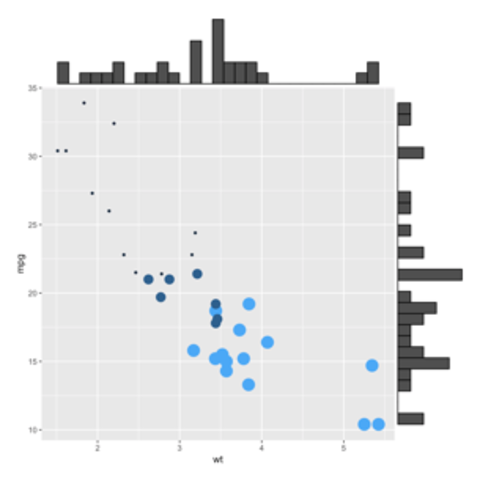
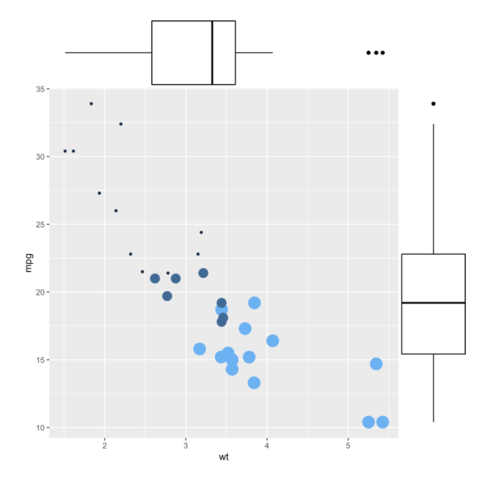
Marginal plot

Marginal plots are not natively supported by ggplot2, but their realisation is straightforward thanks to the ggExtra library as illustrated in graph #277.


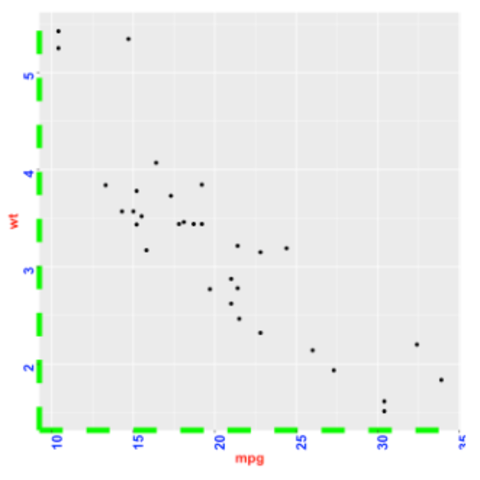
ggplot2 chart appearance

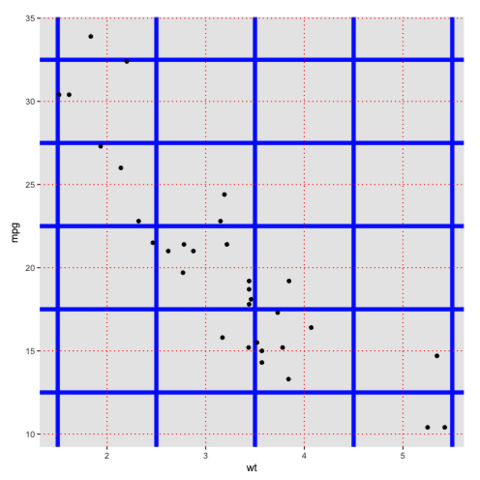
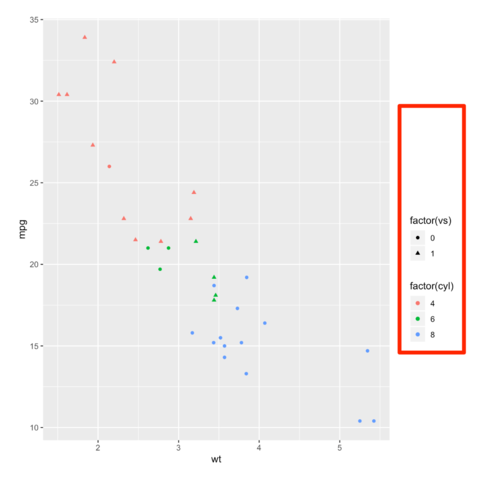
The theme() function of ggplot2 allows to customize the chart appearance. It controls 3 main types of components:

Re-ordering with ggplot2


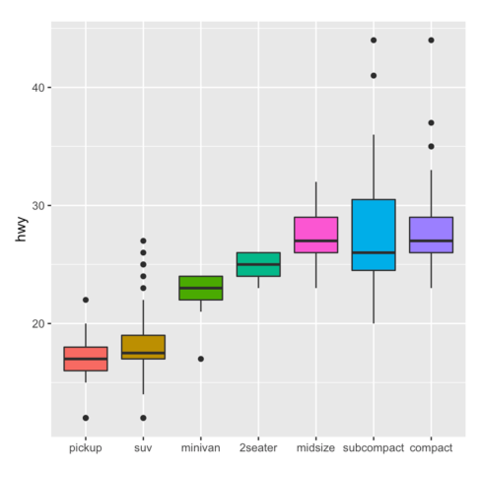
When working with categorical variables (= factors), a common struggle is to manage the order of entities on the plot.

Post #267 is dedicated to reordering. It describes 3 different way to arrange groups in a ggplot2 chart:


Read post
Tidyverse

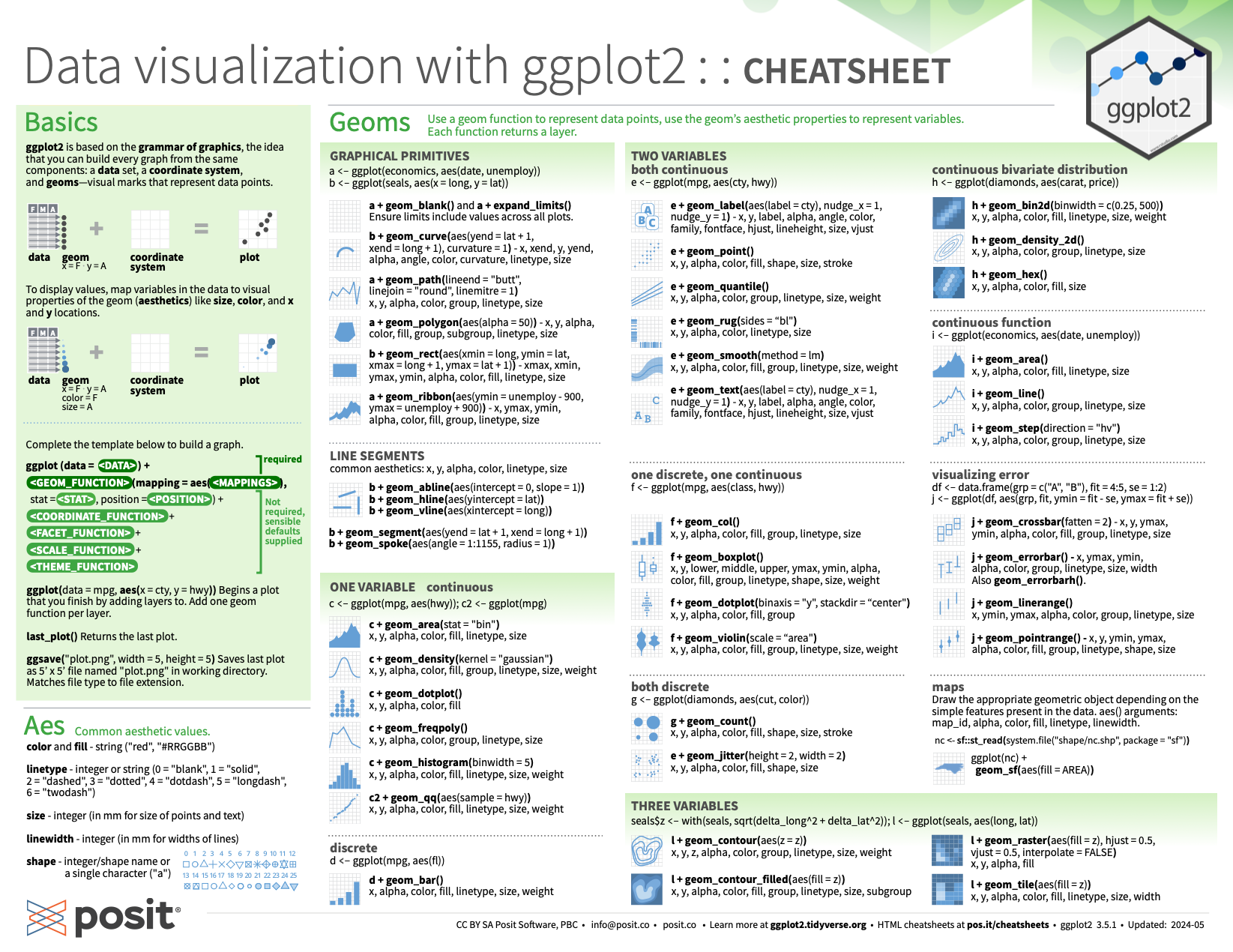
Here’s the official ggplot2 cheatsheet created by Posit. It covers all the key concepts of the library.

I've also compiled it with the most useful R and data visualization cheatsheets into a single PDF you can download:

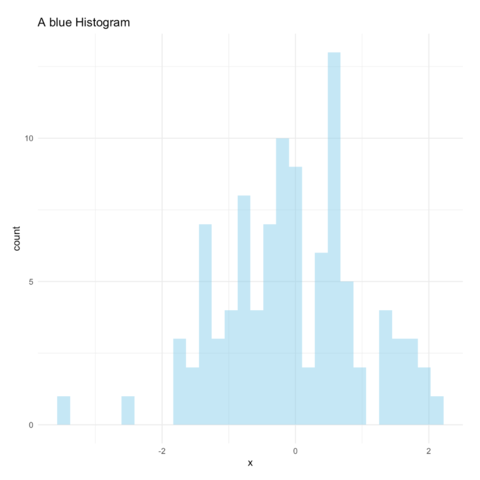
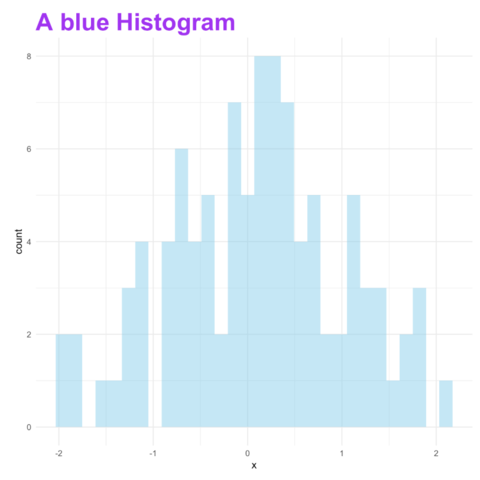
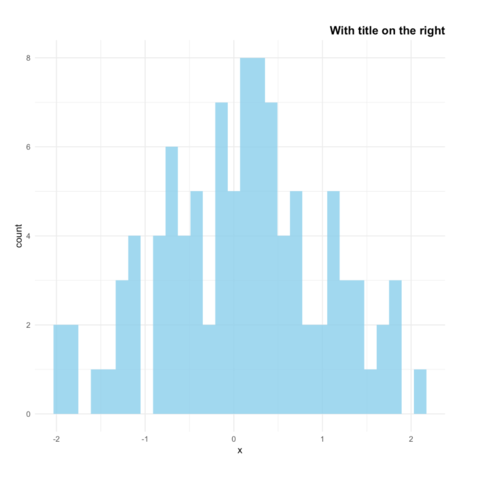
ggplot2 title

The ggtitle() function allows to add a title to the chart. The following post will guide you through its usage, showing how to control title main features: position, font, color, text and more.


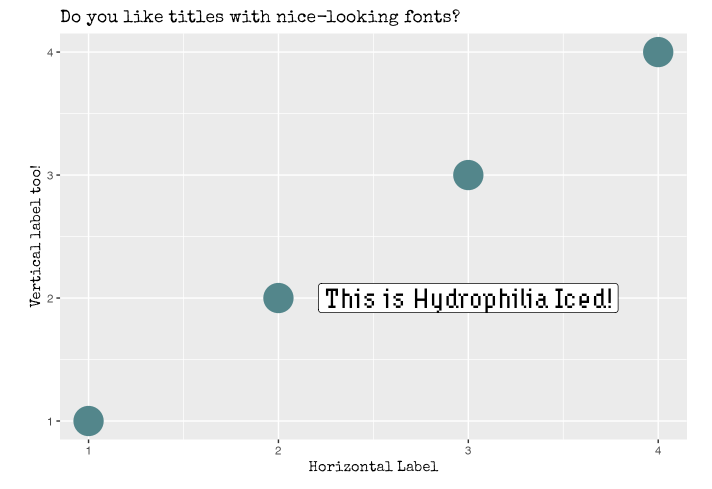
Use custom fonts with ggplot2

If you don't want your plot to look like any others, you'll definitely be interested in using custom fonts for your title and labels! This is totally possible thanks to 2 main packages: ragg and showtext. The blog-post below should help you using any font in minutes.


Small multiples: facet_wrap() and facet_grid()

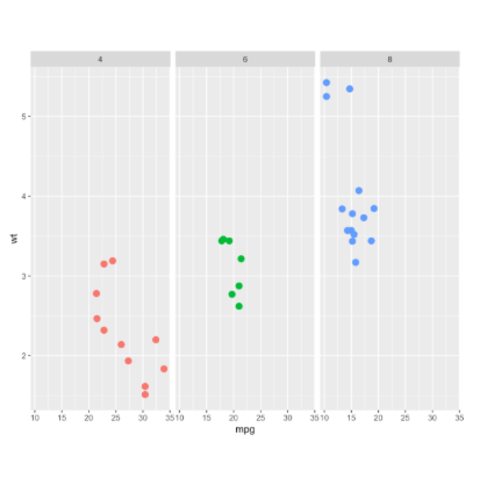
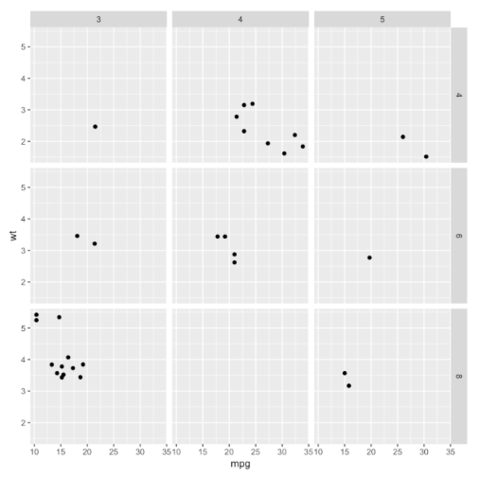
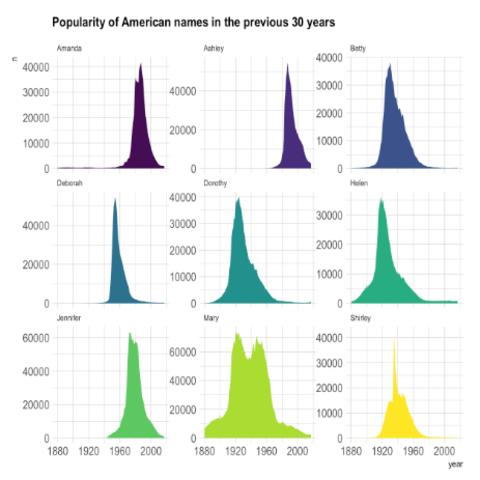
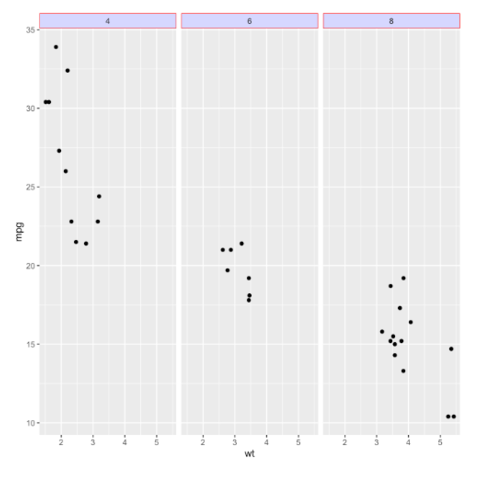
Small multiples is a very powerful dataviz technique. It split the chart window in many small similar charts: each represents a specific group of a categorical variable. The following post describes the main use cases using facet_wrap() and facet_grid() and should get you started quickly.

A set of pre-built themes

It is possible to customize any part of a ggplot2 chart thanks to the theme() function. Fortunately, heaps of pre-built themes are available, allowing to get a good style with one more line of code only. Here is a glimpse of the available themes. See code

Best ^new^ - Prom Pissawat Ep 1

This is the core thesis of the episode: Pissawat refuses to surrender his selfhood for the sake of romance. Prom, for his part, seems more intrigued by that refusal than offended by it.

For anyone looking for a drama with a strong, entertaining start and a classic love-hate relationship,

At its heart, the story follows two characters from completely different worlds: Plapol, a man carrying deep emotional scars, and Pantawan, a fiercely independent singer fighting for survival. While the full 16-episode series provokes strong reactions, there is wide agreement that the beginning is where it truly shines.

In the vast landscape of Thai dramas (Lakorns), few opening episodes manage to capture the audience's heart as swiftly and effectively as Prom Pissawat (Destiny). Airing in 2020, this supernatural romance starring the beloved duo Pope Thanawat and Mew Nittha set a high bar for storytelling. While the entire series is a rollercoaster of emotion, fate, and karma, stands out as a masterclass in exposition, chemistry, and world-building.

If you have not yet watched , you are missing out on a masterclass in character introduction. It is the "best" because it balances high-energy comedy with raw, silent pathos. Prom is not just the funny friend; he is the heart of the show. He reminds us that the loudest people are often the most fragile, and that every side character deserves a close-up.

The chemistry between the leads is palpable, even in their most confrontational scenes. The actors delivered raw, emotional performances in the premiere, particularly in the dramatic confrontation scenes. Their ability to switch from intense anger to subtle vulnerability within the same scene is why the feel so real. 5. Captivating Musical Score

While Episode 1 is designed to be as engaging as possible, viewers on platforms like MyDramaList have noted that the episode leans heavily into classic, polarizing melodrama tropes. Strengths of Episode 1 Common Critiques

Review detailed episodic guides and cast trivia on the Prom Pissawat TMDB Page .

Music serves as the emotional bridge of the show. Pantawan's introduction scene at the bar acts as a major highlight. Pimprapa Tangprabhaporn showcases her genuine musical talents, giving the series a distinct sensory advantage over standard melodramas. The soundtrack doesn't just play in the background; it acts as a storytelling vehicle. Setting Up the Looming Tragic Twist

The title Prom Pissawat translates to "Destiny" or "Fate," and Episode 1 does heavy lifting to define what that means. The episode creates a palpable sense of "Red String of Fate."
Related chart types


prom pissawat ep 1 best
Ggplot2
prom pissawat ep 1 best
Animation
prom pissawat ep 1 best
Interactivity
prom pissawat ep 1 best
3D
prom pissawat ep 1 best
Caveats
prom pissawat ep 1 best
Data art