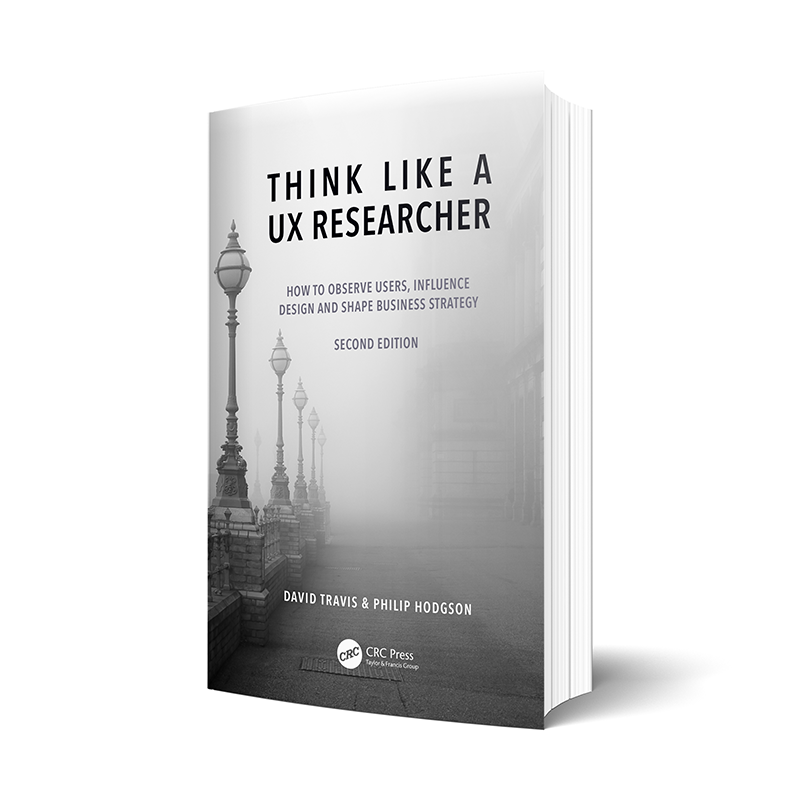
Think Like a UX Researcher: How to observe users, influence design, and shape business strategy
In this newly revised Second Edition, you'll find six new essays that look at how UX research methods have changed in the last few years, why remote methods should not be the only tools you use, what to do about difficult test participants, how to improve your survey questions, how to identify user goals when you can’t directly observe users and how understanding your own epistemological bias will help you become a more persuasive UX researcher.
Buy Now
Sexvidodownload Hot [exclusive] Jun 2026
When you need professional-grade features like batch downloading, 4K or 8K resolution support, and smart ad-skipping, standalone desktop software is the superior choice.
Romance does not always need to be the main genre to be impactful. Some of the most memorable romantic storylines exist as subplots in action, sci-fi, or drama genres. A well-crafted romantic subplot raises the emotional stakes of the overarching plot. When a hero fights to save the universe, the stakes feel much more personal if they are also fighting to return to the person they love.
"No" means no. Media now highlights the importance of active consent and mutual interest.
Grand gestures (running through airports, boomboxes over the head) are fun, but they are hollow without the mundane. The audience falls in love during the quiet moments. sexvidodownload hot
Romance fundamentally operates on optimism, reassuring audiences that connection and understanding are achievable.
Why do we never grow tired of the "boy meets girl" trope, or its countless modern variations? Psychologists suggest that human beings are neurologically wired for attachment. We seek out narratives that explore intimacy because they validate our own emotional experiences.
Characters start with mutual disdain, which slowly melts into passion as they are forced to understand one another. A well-crafted romantic subplot raises the emotional stakes
At its core, a great romantic storyline is an engine of character development. In cinema, this is known as the “meet-cute,” but in literature, it is the collision of two distinct worldviews. Consider Elizabeth Bennet and Mr. Darcy in Jane Austen’s Pride and Prejudice . Theirs is not simply a story of obstacles overcome; it is a story of cognitive dissonance. Elizabeth’s prejudice blinds her to Darcy’s integrity, while Darcy’s pride obscures his affection. The plot does not merely bring them together; it systematically dismantles their flawed philosophies. Every argument, every misunderstanding, and every letter serves as a crucible. By the final act, neither character is who they were in the first chapter. Darcy has learned humility; Elizabeth has learned self-reflection. The romance succeeds not because they were “perfect” for each other, but because their relationship forced them to become better versions of themselves. This is the secret architecture of desire: love as a mirror, reflecting not just our virtues but our most stubborn flaws.
The medium through which romantic stories are told has also shifted. In the digital age, storylines often incorporate the complexities of long-distance communication, dating apps, and the performance of intimacy on social media. This adds a layer of "technological interference" to the traditional narrative, where a misunderstood text message can serve as a modern-day deus ex machina for conflict. Despite these modern trappings, the underlying themes remains constant: the search for a witness to one’s life and the courage required to be truly seen by another.
Recognizing that romantic storylines can be enriched by strong platonic subplots. The health of a character’s friendships often dictates how they handle their romantic partner. The Power of Subtext Media now highlights the importance of active consent
Outside forces keeping the characters apart.
As society changes, so do our romantic storylines. Historically, mainstream romance focused almost exclusively on traditional, heteronormative, and monolithic representations of love. Today, the landscape is shifting dramatically.
A relationship without conflict is a boring diary entry. In romance, conflict falls into two categories:
What's new in the 2nd Edition?
Since publication of the first edition, the main change, largely brought about by COVID and lockdowns, was a shift towards using remote UX research methods. So in this edition, we have added six new essays on the topic. Two essays describe the “how” of planning and conducting remote methods, both moderated and unmoderated. We also include new essays on test participants, on survey questions, and we reveal how your choice of UX research methods may reflect your own epistemological biases. We also flag the pitfalls of remote methods and include a cautionary essay on why they should never be the only UX research method you use.
Skim the Table of Contents