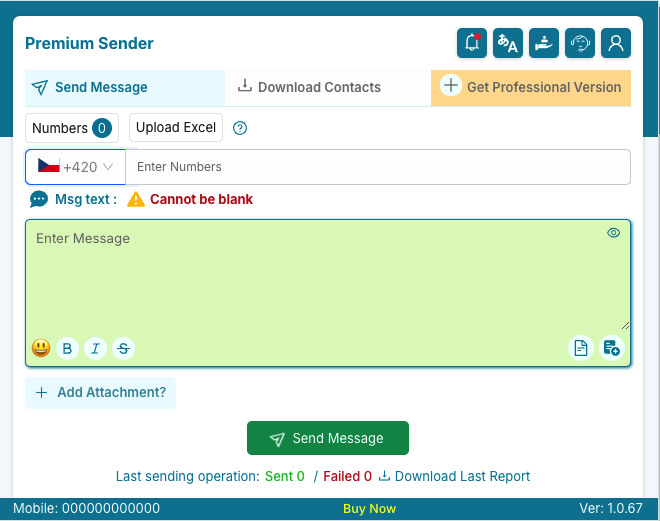
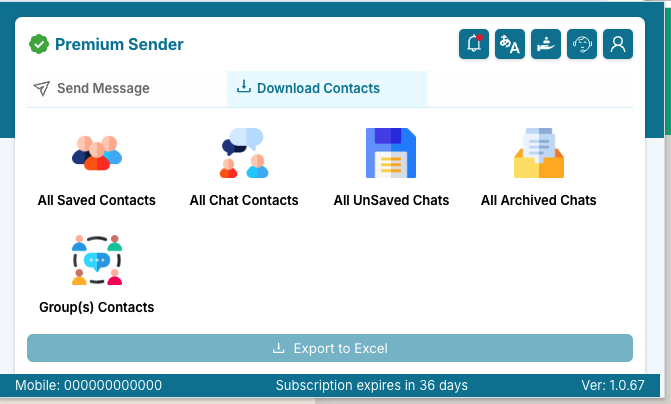
PremiumSender supercharges your messaging capabilities to help you instantly connect with your subscribers. Effortlessly send unlimited personalized messages to all your contacts in just three clicks. Experience seamless communication with our user-friendly and powerful bulk messaging extension.
We work around the clock to assist you. Drop us a message any time, and one
of us will be
happy to get back to you quickly!
always available via Email

satisfaction rate
avg. response time
Vocational education and training (VET) play a crucial role in preparing students for the workforce. Indonesia offers various VET programs, including:
Despite significant progress, Indonesia's education system grapples with persistent and deep-rooted challenges that impact its quality and equity.
The system is centrally managed by the Ministry of Education and Culture, with Islamic schools (madrasahs) operating in parallel under the Ministry of Religious Affairs.
Popular activities include scouting ( Pramuka ), arts, sports, and religious clubs. Culture and Values
Historically, the Indonesian curriculum was notorious for frequent changes, often confusing teachers. However, the current marks a significant shift in pedagogy.
The curriculum focuses on developing students' knowledge, skills, and character. Students take a range of subjects, including Indonesian language, mathematics, science, social studies, and physical education. The system also emphasizes extracurricular activities, such as sports, arts, and clubs, to foster students' interests and talents.
By implementing these recommendations, Indonesia can continue to improve its education system and provide its students with the skills and knowledge necessary to succeed in an increasingly complex and competitive world.
Detail the entrance requirements for public universities (S1) in Indonesia.
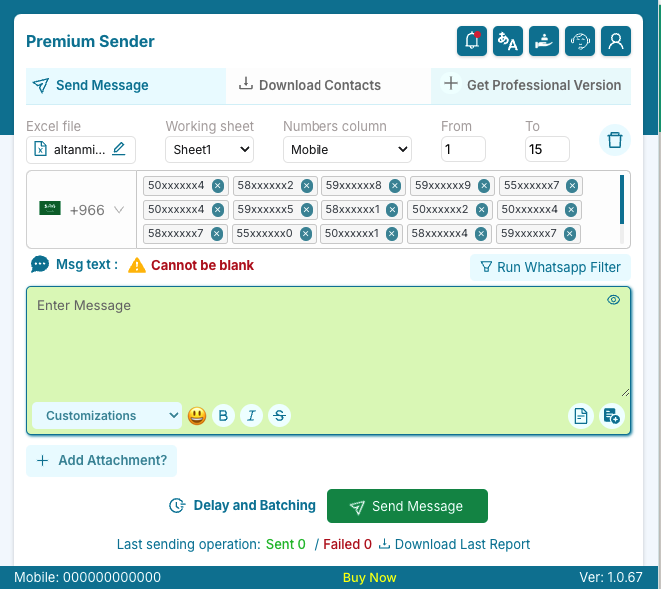
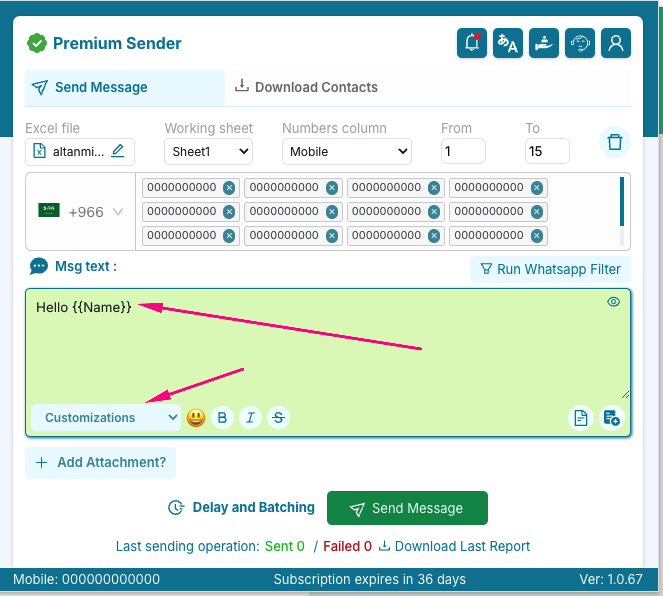
Send single or multiple customizable messages to your customers

Active Support

Personalized
Messages

Download Delivery
Reports

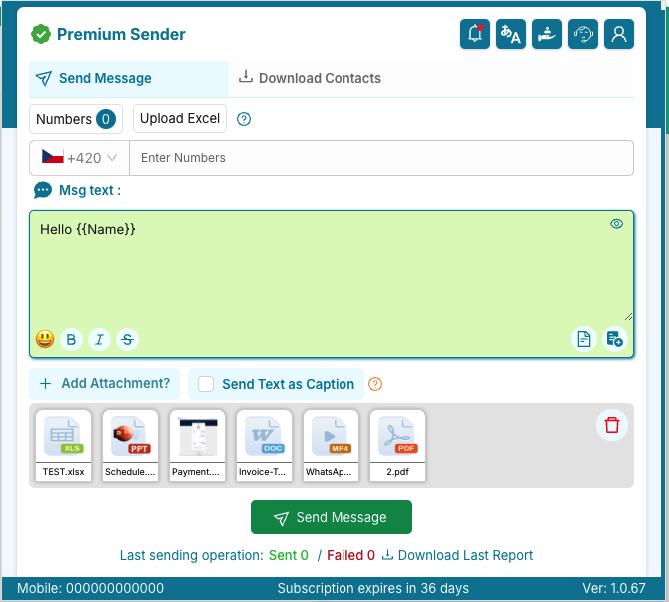
Send Media
Vocational education and training (VET) play a crucial role in preparing students for the workforce. Indonesia offers various VET programs, including:
Despite significant progress, Indonesia's education system grapples with persistent and deep-rooted challenges that impact its quality and equity.
The system is centrally managed by the Ministry of Education and Culture, with Islamic schools (madrasahs) operating in parallel under the Ministry of Religious Affairs.
Popular activities include scouting ( Pramuka ), arts, sports, and religious clubs. Culture and Values
Historically, the Indonesian curriculum was notorious for frequent changes, often confusing teachers. However, the current marks a significant shift in pedagogy.
The curriculum focuses on developing students' knowledge, skills, and character. Students take a range of subjects, including Indonesian language, mathematics, science, social studies, and physical education. The system also emphasizes extracurricular activities, such as sports, arts, and clubs, to foster students' interests and talents.
By implementing these recommendations, Indonesia can continue to improve its education system and provide its students with the skills and knowledge necessary to succeed in an increasingly complex and competitive world.
Detail the entrance requirements for public universities (S1) in Indonesia.
