1. Kurti Dev Marathi Typing Keyboard Layout
High resolution image suitable for printing.
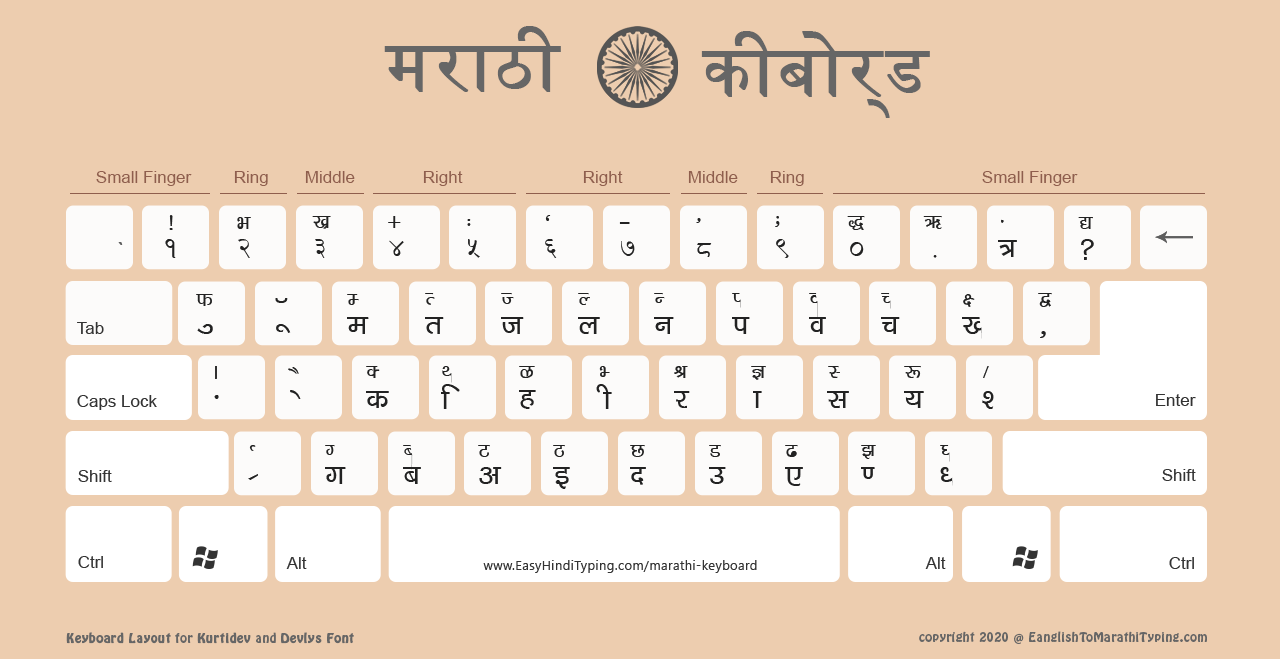
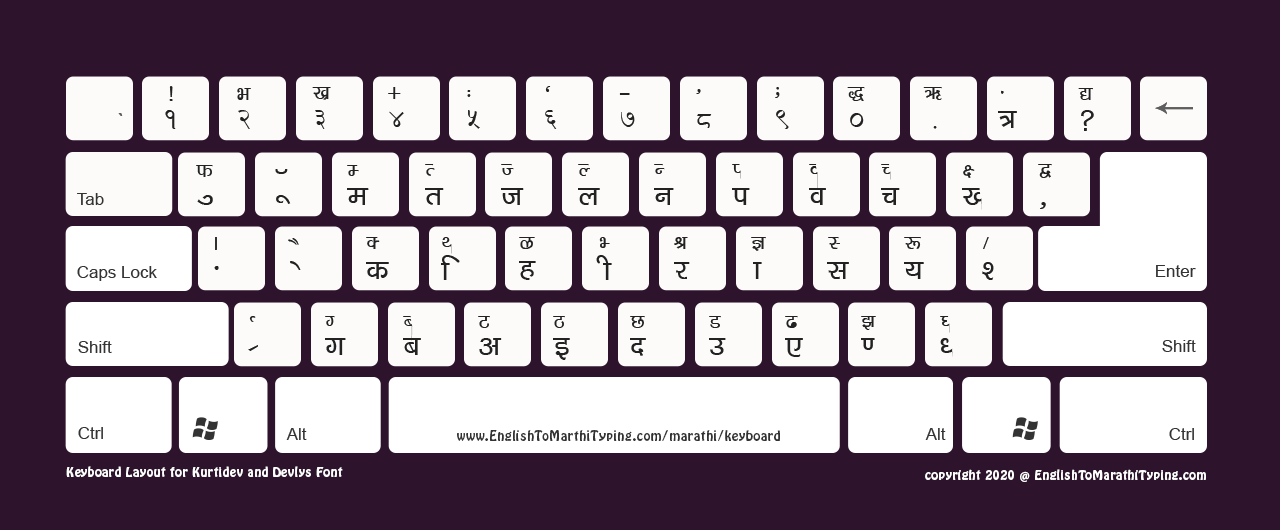
We have four different Devanagari Marathi Keyboards layout for you to download on your computer. It uses Kurti Dev or Devlys font mapping. Once downloaded you can use it as a reference to type in Marathi on Word document or any other text editor. You also need to download the matching Marathi fonts, ideally Kurti Dev or Devlys by visiting this link.
High resolution image suitable for printing.
High resolution image suitable for printing.
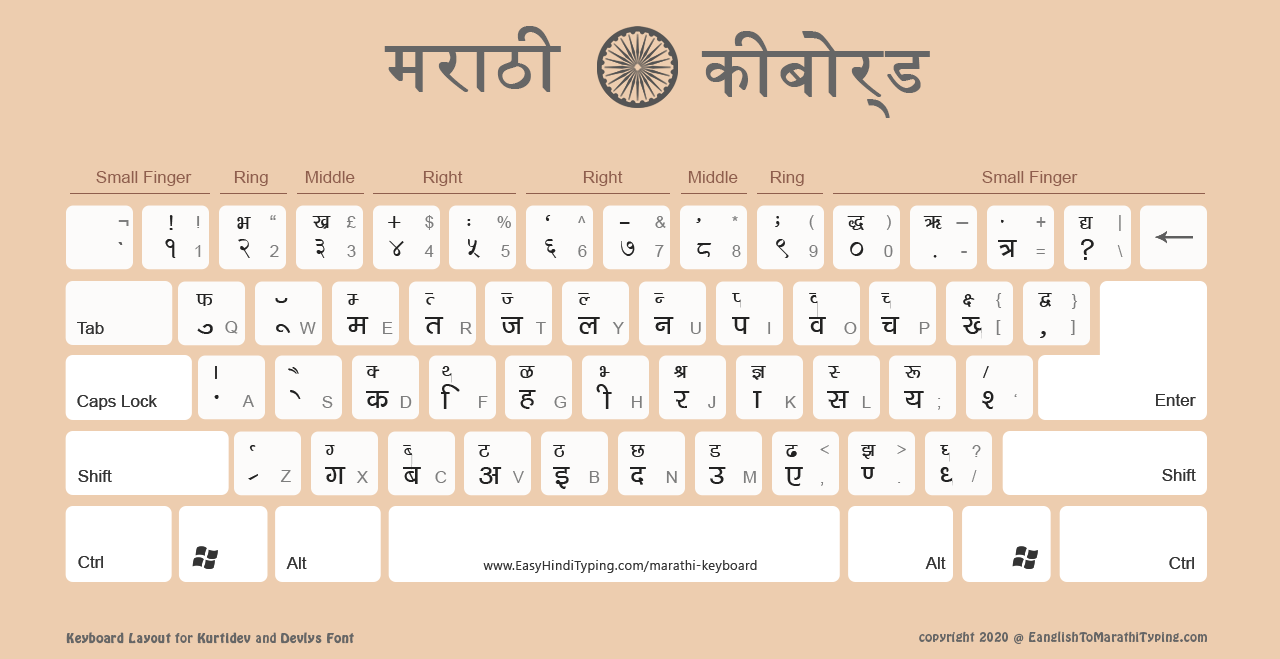
High resolution image suitable for printing.
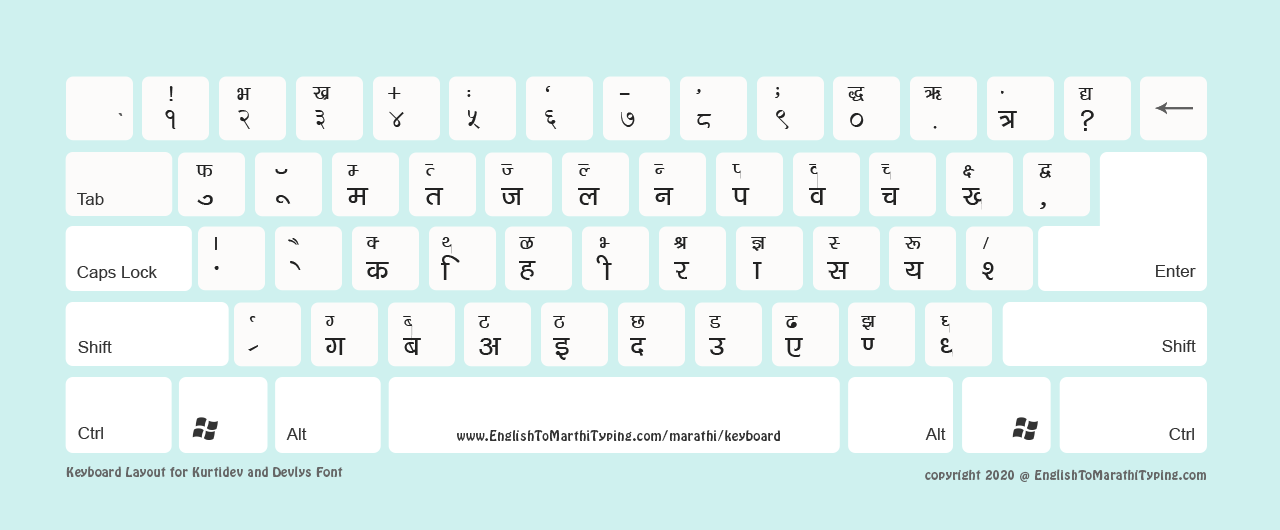
High resolution image suitable for printing.
Sudden aggression is frequently triggered by pain. Dental disease, spinal injuries, and ear infections can make an animal lash out when touched.
Should we include a illustrating how a behavior plan works alongside medical treatment?
Animal behavior and veterinary science are two sides of the same coin. While veterinary medicine historically focused on physical health, modern practice treats mental and emotional well-being as equally vital. Understanding how animals think, feel, and react is no longer just a luxury for behaviorists—it is a core component of effective veterinary medicine. The Convergence of Two Fields
Repetitive behaviors like tail-chasing, flank-sucking, or excessive licking can stem from dermatological allergies or neurological disorders. Over time, these can transform into compulsive psychological habits.
If you would like to explore this topic further, I can tailor the details to your needs. Let me know: g., equine, feline, canine, or exotic wildlife)?
Veterinary behaviorists are specialized veterinarians who diagnose and treat complex behavioral disorders using a combination of behavior modification therapy and psychotropic medications. Core Principles of Animal Learning
Perhaps the most significant practical application of behavioral science in veterinary medicine is the rise of , pioneered largely by Dr. Sophia Yin and continued by organizations like Fear Free.
: Learning through consequences. This involves reinforcement (increasing a behavior) or punishment (decreasing a behavior). Modern veterinary behaviorists heavily emphasize positive reinforcement—rewarding desired behaviors with treats or praise—to build trust and cooperation. 2. Ethology and Species-Specific Needs